 Skip to content
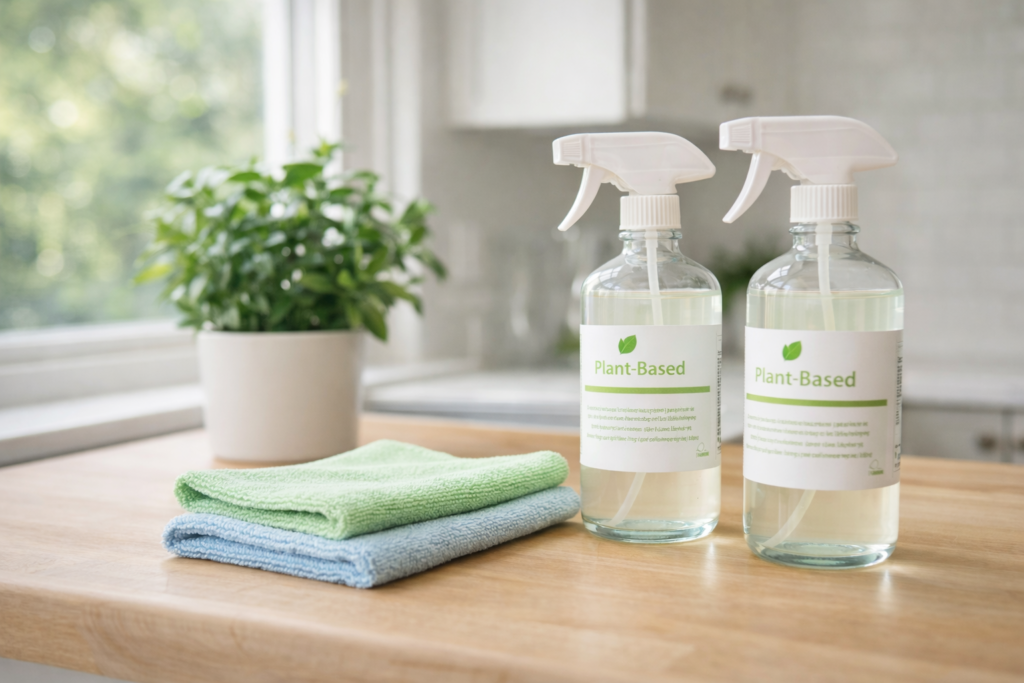
Many people clean their homes regularly without giving much thought to the products they are using. The goal is simple: remove dirt, eliminate germs, and keep living spaces comfortable. But over time, homeowners often start to notice something else — strong chemical odors, irritated allergies, or concerns about what pets and children might be exposed to on freshly cleaned surfaces. These concerns are often what lead people to start exploring alternatives like green cleaning, which focuses on maintaining a clean home while reducing unnecessary chemical exposure.
This is where the idea of green cleaning begins to attract attention.
Green cleaning is often discussed in advertisements and product labels, but the concept itself is frequently misunderstood. For many homeowners, the question is straightforward: does green cleaning actually make a difference, and what does it really mean in practice?
Understanding the basics of green cleaning helps homeowners make more informed choices about how their homes are maintained and what kinds of products are used inside their living spaces.
What Green Cleaning Actually Means
Green cleaning refers to cleaning practices that aim to reduce unnecessary chemical exposure while still maintaining effective sanitation. The focus is not simply on using “natural” products, but on selecting cleaning solutions and techniques that minimize environmental impact and improve indoor air quality.
In practical terms, green cleaning usually involves three core considerations.
First, the products used are chosen with ingredient safety in mind. Many green cleaning products avoid harsh solvents, excessive fragrances, or chemicals that can leave strong residues behind on surfaces.
Second, the cleaning process itself is designed to be efficient. Microfiber cloths, controlled chemical dilution, and targeted cleaning techniques can remove soil and bacteria effectively without relying on heavy chemical use. Many of these tools are commonly used by professional cleaners; our guide to recommended cleaning tools every home should have explains how these simple tools improve everyday cleaning efficiency.
Third, ventilation and indoor air quality are considered part of the cleaning process. Traditional cleaning products can sometimes release strong fumes that linger after cleaning is finished. Green cleaning approaches aim to reduce this effect by using products with lower volatile organic compound (VOC) emissions.
The result is a cleaning method that still achieves sanitation goals while reducing the amount of unnecessary chemical exposure inside the home.
Why Many Homeowners Prefer Green Cleaning
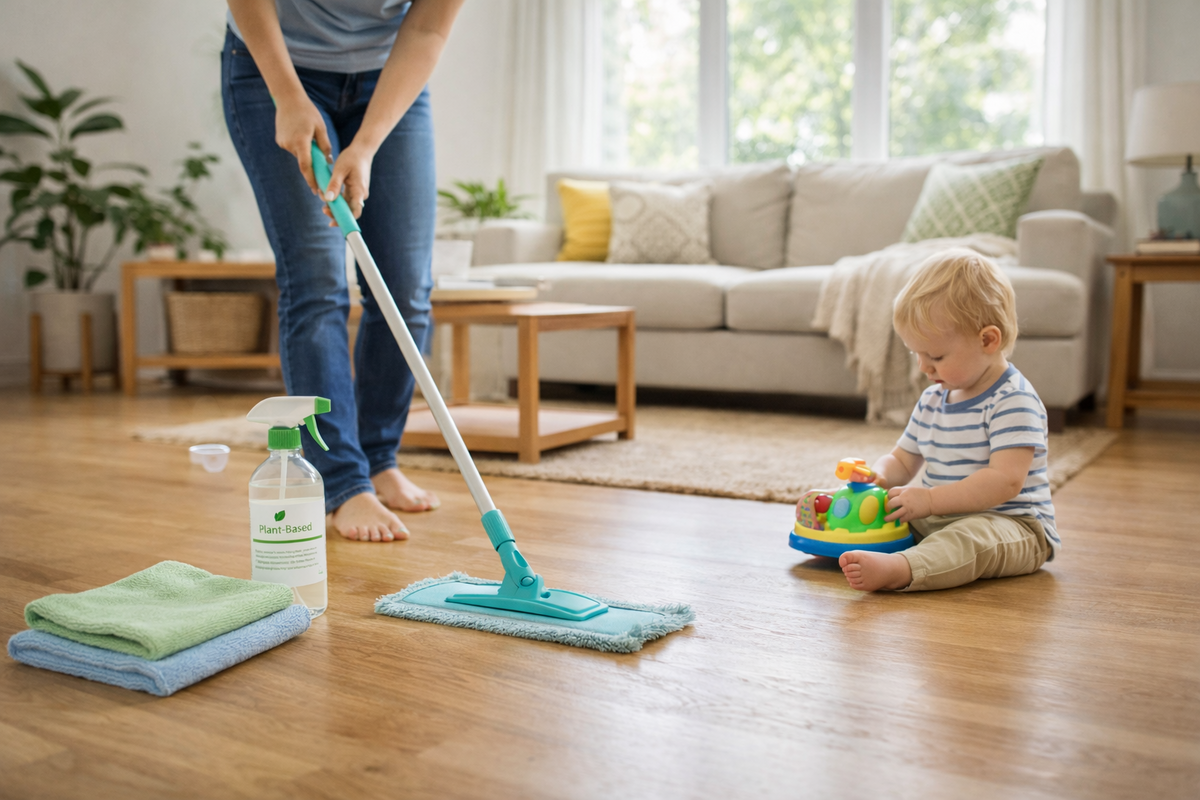
Interest in green cleaning has grown steadily in recent years, particularly among families with children, pets, or individuals who are sensitive to strong cleaning products.
One of the most common reasons homeowners explore green cleaning is indoor air quality. When strong cleaning chemicals are used repeatedly in enclosed spaces, the resulting fumes can linger long after the cleaning process is complete. For people with asthma or respiratory sensitivities, this can sometimes lead to discomfort.
Another consideration is surface residue. Floors, countertops, and frequently touched surfaces are areas where cleaning products remain in direct contact with the household environment. Homeowners often prefer products that clean effectively without leaving heavy chemical films behind.
Pets are another factor. Dogs and cats spend a significant amount of time on floors and other surfaces, which can make homeowners more mindful about the products used during routine cleaning.
Green cleaning provides a way to maintain sanitation while reducing some of these concerns.

Does Green Cleaning Still Disinfect Effectively?
One of the most common questions homeowners ask is whether green cleaning methods are as effective as traditional chemical cleaning.
The answer depends on how the cleaning process is structured.
Many modern green-certified cleaning products are designed to remove soil, grease, and bacteria while meeting safety standards for ingredient transparency and environmental impact. In everyday residential environments, these products can be highly effective when used properly.
It is also important to understand the difference between cleaning and disinfecting.
Cleaning removes dirt, dust, and many microorganisms from surfaces. Disinfecting involves using specific agents designed to kill certain bacteria or viruses. In some situations, such as illness-related sanitation or medical environments, stronger disinfectants may still be necessary.
Green cleaning approaches typically focus on using effective cleaning products for routine maintenance while reserving stronger disinfectants for situations where they are truly needed.
This balance helps maintain hygiene without relying on harsh chemicals during every cleaning session.
Green Cleaning and Indoor Air Quality
Indoor air quality is an often overlooked part of home maintenance. Because homes are enclosed environments, the products used during cleaning can affect the air people breathe throughout the day. Some traditional cleaning chemicals release volatile organic compounds, commonly referred to as VOCs, which can linger in the air after cleaning has been completed. According to the U.S. Environmental Protection Agency, VOCs can negatively impact indoor air quality and contribute to lingering chemical odors in enclosed environments. Reducing unnecessary exposure to these compounds is one reason many homeowners begin exploring greener cleaning practices.
Green cleaning products are often designed to limit these emissions. By reducing the use of products that produce heavy fumes, homeowners may notice that rooms feel fresher and less chemically scented after cleaning.
Proper ventilation during cleaning also plays an important role. Opening windows or ensuring airflow helps prevent lingering odors and improves overall air quality inside the home.
Over time, these small adjustments can make a noticeable difference in how a home environment feels after routine cleaning.
Professional Cleaning and Responsible Product Choices
Many professional cleaning companies recognize that homeowners increasingly care about the types of products used inside their homes. As a result, some services incorporate environmentally responsible cleaning options into their standard practices.
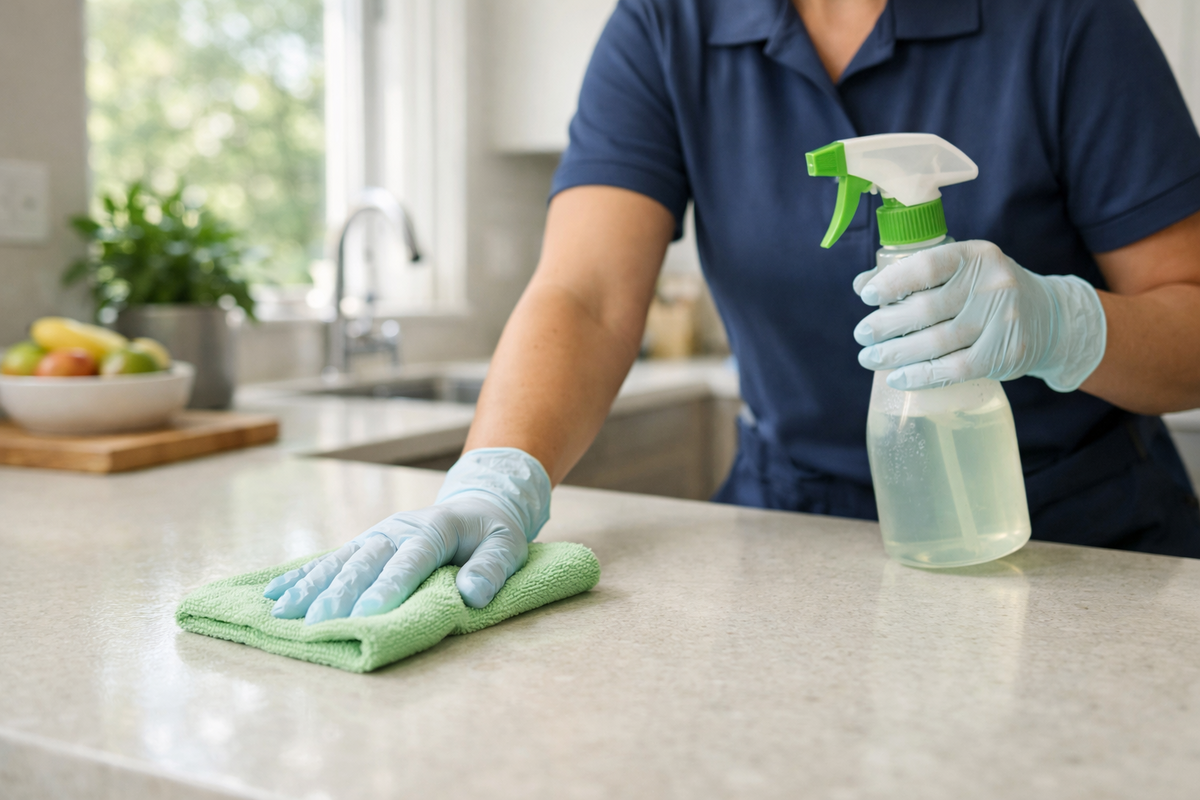
Professional technicians often rely on controlled product dilution, microfiber cleaning tools, and modern cleaning solutions designed to balance effectiveness with safety.
For homeowners who prefer a cleaning approach that limits unnecessary chemical exposure while still maintaining sanitation, working with experienced providers of professional residential cleaning services can provide a practical solution. Trained technicians understand how to select the right products and methods for different surfaces while maintaining consistent cleaning standards.
This approach allows homeowners to maintain a clean and comfortable environment without needing to manage the entire process themselves.
Many environmentally conscious cleaning routines also rely on simple reusable equipment rather than disposable products. Our guide to recommended cleaning tools every home should have explains the basic tools professionals use to clean effectively while minimizing waste.
Common Misconceptions About Green Cleaning
Because the term “green cleaning” appears frequently in marketing materials, several misconceptions have developed around the concept.
One common misunderstanding is that green cleaning means only using homemade products or simple household ingredients. While some DIY methods can be useful, professional green cleaning typically involves specially formulated products that meet environmental and safety certifications.
Another misconception is that green cleaning cannot remove heavy dirt or bacteria effectively. In reality, modern green-certified products are developed with the same cleaning goals as traditional products — removing soil, grease, and contaminants — but with safer ingredient profiles.
Finally, some people assume green cleaning requires significantly more time or effort. In practice, professional cleaning techniques and efficient tools often make the process just as effective as traditional approaches.
Understanding these distinctions helps homeowners make informed decisions without relying on marketing claims alone.
A Practical Approach to Maintaining a Healthier Home
Green cleaning is not about eliminating all chemicals or adopting extreme cleaning methods. Instead, it focuses on making thoughtful choices about the products and techniques used during routine home maintenance.
By selecting cleaning solutions designed to minimize unnecessary chemical exposure and using effective tools like microfiber cloths and controlled product application, homeowners can maintain a clean home while improving the overall indoor environment.
For many households, maintaining consistent cleaning routines can be just as important as choosing the right products. Families balancing work schedules, school activities, and everyday responsibilities often benefit from simple systems that prevent mess from building up. Our guide to cleaning hacks for busy parents shares practical strategies that help busy households keep their homes manageable even when time is limited.
Over time, small adjustments in cleaning practices can contribute to a home that not only looks clean, but also feels healthier and more comfortable for the people who live there.